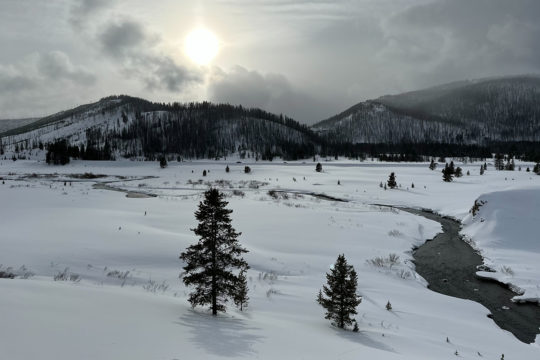
Winter transforms Yellowstone National Park into a snow covered wilderness where animals adapt and thrive while geothermal features create dramatic steam filled landscapes. With fewer visitors and wide open spaces, winter is the perfect season to discover the park through guided wildlife tours and snowshoe adventures. On quiet trails and along expansive valleys, winter reveals a more intimate side of Yellowstone that is especially well suited for nature enthusiasts and photographers.


Why Winter is one of the Best Times for Yellowstone Wildlife Tours
Winter is an incredible season for wildlife observation because animals stand out vividly against the brilliant white snow and predators like wolves and foxes are more active during the day. Herbivores such as bison and elk often move into lower valleys where food is more accessible, which improves viewing opportunities. The entire park takes on a peaceful and wild atmosphere that allows visitors to truly slow down and connect with the landscape.

Our Top Winter Adventures
Winter Wildlife Safaris
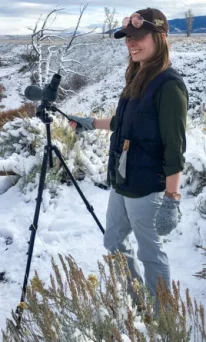
Guided wildlife safaris focus on Lamar Valley and the Northern Range which are the best locations to spot wolves and a wide range of other species. Expert naturalist guides track daily animal movement and help guests understand the behavior and seasonal adaptations of Yellowstone wildlife. These safaris are ideal for those who want to witness the fascinating survival stories that unfold across the snowy ecosystem.
Visitors may have the chance to observe wolves patrolling slopes in search of prey, shaggy bison standing strong against the elements, and moose foraging among willows. Encounters with coyotes, foxes, and wintering raptors are also common. Every tour is driven by the patterns of wildlife, which means each day provides new discoveries.
Snowshoeing Tours in Yellowstone
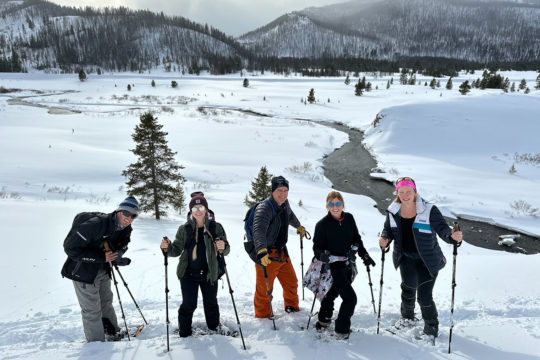
Snowshoe tours offer a deeper level of exploration by guiding visitors into quiet forests, thermal basins, and river corridors that are inaccessible by vehicle. Snowshoeing is easy to learn and suitable for a wide range of fitness levels, making it a great way to slow down and appreciate the subtleties of winter. With fresh snow underfoot and the sounds of nature amplified by the stillness of winter, this style of adventure invites a stronger connection with the environment.
Guides interpret animal tracks and signs so guests can imagine the hidden lives taking place just out of sight. Snowshoe tours are also excellent for photography, as they provide unique angles and uninterrupted scenery that feel far removed from the main road corridors.
What to Expect on a Winter Yellowstone Tour
Yellowstone winter tours are led by seasoned wildlife guides who have extensive knowledge of animal behavior and the challenges of winter ecology. Tours are designed to be flexible so itineraries adjust to weather, snow conditions, and wildlife sightings. Groups remain small or private which creates better viewing and safe maneuvering in snowy landscapes. Quality optics and gear are provided including snowshoes for winter hikes. Guides also ensure safety and comfort by planning breaks and helping guests stay warm throughout the day.

Planning Tips for Winter Adventures
Winter touring requires preparation which begins with proper layering. Guests should arrive ready for cold temperatures with insulated boots, thermal clothing, waterproof outerwear, hats, gloves, and warm socks. Extra camera batteries are essential because cold weather drains power quickly.
December through March is considered the best period for reliable snow and excellent wildlife sightings. It is also a great season for photography because the low winter sun and snowy environment create soft lighting and high contrast. Guides can assist with photo setup and positioning at wildlife stops or scenic viewpoints.


Why Choose Yellowstone Safari Company
Yellowstone Safari Company brings unparalleled knowledge of winter wildlife and ecology to every tour. Guides track wildlife daily and lead with a conservation focused approach that prioritizes the well being of animals and guests. Tours are intentionally small which supports quality viewing and meaningful interpretation. Guests leave with a much deeper understanding of Yellowstone and the strategies wildlife use to survive winter conditions.
FAQs
What wildlife am I most likely to see in winter?
Wildlife tours may include sightings of wolves, bison, elk, moose, coyotes, foxes, deer, and raptors. Winter creates strong contrasts that make predators and large animals easier to spot.
Do I need prior snowshoe experience?
Snowshoeing is beginner friendly and guides provide instruction and support. Most guests pick it up quickly and enjoy the slower, more immersive pace.
How cold does it get in Yellowstone during winter?
Temperatures often range from zero to 30 degrees Fahrenheit, though proper clothing keeps guests comfortable. Guides plan stops and monitor guest comfort throughout the day.
Are wildlife sightings guaranteed?
Sightings are never guaranteed but expert guides use daily tracking knowledge that significantly improves the likelihood of encountering wildlife.
When should I book a winter wildlife or snowshoe tour?
It is best to book early particularly from December through February when demand is high due to wolf watching and outstanding snow conditions.
Wildlife Safari
Keep Exploring