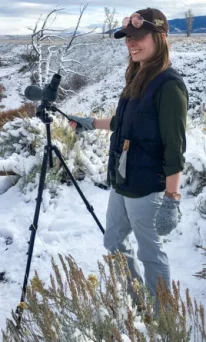
Wildlife tours in Yellowstone offer the most reliable way to observe wolves, bears, bison, elk, and other iconic species within one of North America’s last intact temperate ecosystems. With expert naturalist guides, high-powered optics, and deep knowledge of animal behavior, guided safaris provide both access and interpretation that independent visitors rarely achieve.


Why Take a Guided Wildlife Tour in Yellowstone?
Yellowstone is vast, over 2.2 million acres of varied terrain. Wildlife movement changes daily based on weather, season, and predator-prey dynamics.
Professional guides monitor animal activity, track seasonal patterns, and position guests in prime viewing corridors such as the Northern Range and Hayden Valley. Premium spotting scopes allow safe observation at proper distances, while naturalist interpretation transforms sightings into meaningful ecological understanding.

What Wildlife Can You See?
Wolves
Lamar Valley is one of the most famous wolf-watching destinations in the world. Early mornings often reveal pack movement, social behavior, and hunting strategy.
Grizzly & Black Bears
Spring brings emerging bears to lower elevations. Fall showcases hyperphagia, when bears intensify feeding before winter.
Bison & Elk
These iconic ungulates are visible year-round, with dramatic behavioral displays during rut seasons.
Coyotes, Eagles & Raptors
Predators and scavengers are active throughout the park, particularly near winter carcass sites and open valleys.


Best Time for Wildlife Tours in Yellowstone
Spring and fall often provide the most dynamic wildlife viewing due to concentrated animal movement and reduced visitation. Winter offers exceptional wolf visibility against snow-covered terrain, while summer provides abundant species diversity.
Multi-day safaris offer significantly increase viewing success by allowing flexibility across habitats and elevations.

Private vs Public Wildlife Tours
Public tours offer shared experiences in small groups, while private tours provide maximum flexibility and customization. Photography-focused travelers and serious wildlife enthusiasts often benefit from private itineraries tailored to seasonal conditions.


Single-Day vs Multi-Day Bear & Wolf Safaris
A single-day wildlife tour introduces Yellowstone’s biodiversity and gives you an overview of the park’s wildlife and ecosystem. Multi-day experiences allow deeper immersion into wolf territories, bear habitats, and predator-prey systems, ranging from 2-day, 3-day, all the way up to 5-day excursions.
Extended itineraries adapt to changing conditions and increase opportunities for rare or behavior-based sightings.

Why Choose Yellowstone Safari Company?
Yellowstone Safari Company operates with a conservation-first philosophy, small group sizes, and professional naturalist guides. Every safari is designed to prioritize ethical wildlife viewing, ecological education, and immersive field experience.


How to Book Wildlife Tours in Yellowstone
Wildlife tours should be reserved well in advance, particularly during spring bear emergence and fall rut periods. Booking online secures availability and allows guides to prepare for seasonal conditions.
FAQs
What animals can you see on wildlife tours in Yellowstone?
Most wildlife tours in Yellowstone include opportunities to see wolves, grizzly bears, black bears, bison, elk, pronghorn, coyotes, and bald eagles depending on season and location.
When is the best time for wildlife tours in Yellowstone?
Spring and fall typically provide the most active wildlife viewing, while winter offers exceptional wolf visibility and summer provides broader species diversity.
Are Yellowstone wildlife tours worth it?
Yes. Guided tours increase wildlife sighting success, provide expert interpretation, and ensure ethical, safe viewing practices.
Where are the best places for wolf watching in Yellowstone?
Lamar Valley and the Northern Range are internationally recognized for wolf activity, especially during early morning hours.
Should I book a private wildlife tour in Yellowstone?
Private tours offer flexibility, customized itineraries, and additional time for photography or specialized wildlife interests.
Wildlife Safari
Keep Exploring