It’s springtime, which has us all excited for the first bears emerging from hibernation! Bears are among Yellowstone’s most iconic and awe-inspiring wildlife. As apex omnivores, bears play a vital role in shaping Yellowstone’s ecosystems, influencing everything from plant growth to scavenger populations. Yellowstone National Park is one of the few places in the Lower 48 where both grizzly bears and black bears still roam freely, offering a rare opportunity to observe these powerful animals in their natural habitat.


Why Yellowstone Is One of the Best Places to See Bears
Yellowstone sits at the heart of the Greater Yellowstone Ecosystem, one of the largest intact temperate ecosystems on Earth. Vast protected lands, abundant food sources, and limited development allow bears to follow natural seasonal patterns. Decades of conservation efforts have helped stabilize bear populations, making Yellowstone one of the most reliable places in North America for observing bears in the wild.

Bear Species Found in Yellowstone
Grizzly Bears
Grizzly bears are the most famous of Yellowstone’s bear species. Once nearly driven to extinction from the region from overhunting and persecution, grizzlies now represent one of America’s greatest wildlife conservation successes. They are typically found in open valleys, alpine meadows, and areas rich in food sources. There are fewer grizzlies than black bears for a few reasons: grizzlies need much more space for individual territories and they take almost 2.5 years to raise cubs (compared to 1.5 years for black bears), making them one of the slowest reproducing mammals.
Black Bears
Black bears are more numerous and widely distributed throughout Yellowstone. Despite their name, black bears can appear brown, cinnamon, or even blonde. They are excellent climbers and are often found in forested areas, though they may also forage in open meadows. Black bears tend to be more adaptable and typically less aggressive than grizzlies
How to Tell the Difference?
If black bears aren’t always black, how do you tell the difference between the two species? There are several physical characteristics that differ between the two:
Hump vs rump: Grizzlies have a very distinctive shoulder hump, thanks to muscles built up by digging for their food. Black bears generally lack a shoulder hump, but have a much bigger rump than grizzlies. The general rule is if the shoulder is higher than the rump, you’ve got a grizzly, and if the rump is higher than the shoulder, it’s a black bear.
Face shape: grizzlies have a more disc shaped face, while black bears tend to have a more straight, or even “Roman nose” type shape to their snout.
Ears: Black bears have bigger, longer, more triangle shaped ears that noticeably stick out from their head. Grizzlies’ ears are shorter and more round, more like a teddy bear.
Claws: Black bears have shorter claws, around 3 inches long, that are curved and hooked much like a cat’s. They are sharp, which helps them expertly climb trees. Grizzlies have much bigger claws, reaching up to 5 inches, that are straighter and more blunt. While grizzlies can indeed climb trees, they don’t generally have to or want to. Instead, they use their claws as shovels to dig for their food in the dirt.


Bear Behavior and Seasonal Activity
Spring
Bears emerge from hibernation in spring and immediately begin feeding on grasses, roots, and winter-killed animals. This is one of the best times to observe bears in open areas, and they can be seen more frequently in the valleys as the deep snow hasn’t melted yet in higher elevations, keeping them low.
Summer
During summer, bears focus on high-calorie foods while females care for cubs. Sightings may occur near meadows, forests, and waterways. Early morning hours and evenings around dusk see more activity on hot days.
Fall
Fall is marked by hyperphagia, a period when bears eat almost constantly to prepare for winter. This is often the most active and visible season for bear watching. Areas that are plentiful in berry bushes will see more bear traffic throughout the season.
Winter
Bears enter hibernation, and sightings are extremely rare during winter months. While they are not true hibernators, it is possible for them to wake up and move about if conditions are right, but it is not common.

Best Places to See Bears in Yellowstone
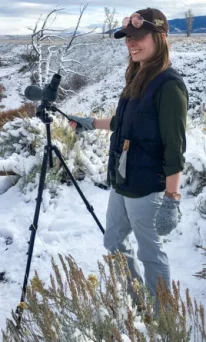
Lamar Valley and Hayden Valley are two of the most productive areas for bear viewing due to their open terrain and abundant food sources. Bears are often spotted on hillsides, near river corridors, or along forest edges where visibility is high and human impact is minimal. Spotting scopes, binoculars, and long camera lenses are crucial in these habitats when looking for bears. That being said, the park can always surprise you, and you could catch one crossing the road right in front of you! A good reminder to always obey speed limits and stay alert while driving the roads in the park.


Best Time of Year to See Bears in Yellowstone
- Spring: Excellent visibility as bears emerge from dens
- Summer: Moderate sightings with cub activity
- Fall: Peak bear activity during hyperphagia

Bear Safety and Responsible Wildlife Viewing
Observing bears responsibly is essential for both visitor safety and wildlife conservation. Always maintain safe distances (100 yards or more), use optics rather than approaching animals, and follow all National Park Service regulations. Ethical viewing ensures bears remain wild and reduces the risk of human-wildlife conflict.


Why a Guided Wildlife Tour Makes a Difference
Guided wildlife tours greatly increase the chances of seeing bears while ensuring responsible viewing practices. Professional guides understand bear behavior, seasonal movement, and safe observation techniques. With high-powered spotting scopes and expert interpretation, guests gain a deeper understanding of Yellowstone’s bears without disturbing their natural behavior.
For an overview of the park in a single day, our Best of Yellowstone Tour traverses some prime wildlife habitat areas while stopping to see geological highlights like Old Faithful. Our Yellowstone Wildlife Safari dives deeper into habitats frequented by bears, wolves, and other species for a wildlife focused day. For a more immersive and comprehensive experience, our multi-day bear and wolf tours offer 2-day and 3-day options to give yourself the best possible chance at finding unforgettable sightings.
FAQs
What bears live in Yellowstone National Park?
Yellowstone is home to both grizzly bears and black bears, each occupying different habitats throughout the park.
When is the best time to see bears in Yellowstone?
Spring and fall are generally the best times to see bears due to increased feeding activity and visibility.
Where are the best places to see bears in Yellowstone?
Lamar Valley and Hayden Valley are among the best locations for observing bears in open terrain.
Are Yellowstone bears dangerous?
Bears are wild animals and can absolutely be dangerous. They should always be observed from a safe distance. Following park guidelines greatly reduces risk.
Is it better to see bears on a guided tour?
Yes. Guided tours improve sightings and ensure bears are observed safely and ethically with expert interpretation.
Wildlife Safari
Keep Exploring