A Yellowstone National Park wildlife tour offers one of the most immersive ways to experience Yellowstone National Park. As one of the last nearly intact temperate ecosystems in the world, Yellowstone supports a wide range of large mammals and predators that still move freely across vast landscapes.
With the help of professional naturalist guides, visitors can move beyond casual sightseeing and gain insight into animal behavior, migration patterns, and ecological relationships. Rather than relying on chance sightings, guided tours focus on areas where wildlife is most active based on real-time conditions, recent sightings, and seasonal movement.
For many guests, a wildlife tour transforms Yellowstone from a scenic destination into a dynamic ecosystem where every observation contributes to a deeper understanding of the natural world.


What Is a Yellowstone National Park Wildlife Tour
Yellowstone wildlife tours are guided experiences designed to prioritize time in productive wildlife habitats while interpreting the broader ecosystem. These tours combine field observation with ecological education, creating a more meaningful and structured experience.
Wildlife-Focused Safaris
Wildlife safaris are built around tracking animal activity throughout the day. Guides monitor recent sightings, weather patterns, and seasonal shifts to determine where animals are most likely to be active.
These safaris begin early, when wildlife movement is highest, and continue with flexible routing that adapts as conditions change. This approach increases the likelihood of observing animals engaged in natural behaviors such as feeding, traveling, or interacting within groups.
Naturalist-Led Experiences
Naturalist-led tours provide context that enhances every wildlife sighting. Guides explain predator-prey relationships, migration patterns, and how environmental factors influence animal behavior.
This level of interpretation helps guests understand not only what they are seeing, but also how each species fits into the larger ecosystem. Over the course of a tour, individual sightings begin to connect into a broader ecological narrative.
Small Group vs Private Tours
Small group tours offer a shared experience with a limited number of guests, allowing for both interaction and focused observation. These tours balance accessibility with a personalized atmosphere.
Private tours provide a higher level of flexibility and customization. Guests can tailor the itinerary, spend extended time in productive areas, and focus on specific wildlife interests such as wolves or bears. This format is particularly valuable for photographers or travelers seeking a more customized experience.

What Wildlife You Can See
Yellowstone supports one of the most diverse wildlife populations in North America. Species distribution varies by habitat, elevation, and season, making each tour unique.
Wolves in the Northern Range
Wolves are among the most sought-after species in Yellowstone. The Northern Range is one of the best areas to observe pack behavior due to its open terrain and high prey density
- Pack movement across open valleys
- Hunting behavior and social interaction
- Seasonal territory shifts and denning activity
Early morning and cooler conditions often provide the best opportunities for observing wolves in motion.
Bears and Predators
Yellowstone is home to both grizzly and black bears, each occupying different habitats and exhibiting distinct behaviors. Bear sightings often depend on food availability and seasonal patterns.
- Grizzly bears foraging in open meadows and slopes
- Black bears utilizing forest edges and transitional zones
- Coyotes actively hunting small mammals in open terrain
Understanding these patterns helps guides position guests in areas where predator activity is most likely.
Bison, Elk, and Ungulates
Large herbivores are widely distributed throughout the park and form the foundation of the ecosystem. Their movement influences predator behavior and shapes the landscape.
- Bison herds grazing and moving across valleys
- Elk migration and fall rut activity
- Pronghorn inhabiting open grasslands
These species provide consistent viewing opportunities and offer insight into seasonal migration patterns.
Raptors and Birdlife
Raptors and birdlife add depth to wildlife tours and are often active during the same periods as mammals. Their presence reflects the health and diversity of the ecosystem.
- Bald eagles near rivers and lakes
- Golden eagles soaring over open terrain
- Hawks and owls occupying a variety of habitats
Bird activity can provide additional clues about environmental conditions and prey movement.


Best Places for Wildlife Viewing
Certain regions of Yellowstone consistently provide stronger wildlife viewing opportunities due to habitat, terrain, and prey availability.
Lamar Valley
Lamar Valley is widely considered one of the best wildlife viewing areas in Yellowstone. Its open terrain allows for long-distance visibility, making it ideal for spotting wolves and other predators.
The valley supports a high density of elk and bison, which in turn attracts predators and creates dynamic wildlife interactions.
Hayden Valley
Hayden Valley offers a mix of wetlands and open grasslands, supporting a wide range of species. Bison are commonly seen here, along with elk and occasional predator activity.
Its central location makes it a valuable stop on many wildlife tours.
Northern Range
The Northern Range supports year-round wildlife due to available forage and relatively accessible winter conditions. This area is especially important for wolf activity and provides consistent opportunities for observing large mammals.
Understanding the characteristics of each region allows guides to select locations based on current conditions.

Best Time of Year for Wildlife Tours
Wildlife behavior changes significantly throughout the year, influencing both visibility and activity.
- Spring
- Bears emerge from winter dens and begin active feeding
- Predators follow shifting prey movement
- Newborn animals appear across multiple species
- Summer
- Wildlife spreads across a wider range of habitats
- High biodiversity across elevations
- Longer daylight allows extended exploration
- Fall
- Elk rut creates intense and visible behavior
- Predators increase activity as prey becomes more vulnerable
- Cooler temperatures improve daytime movement
- Winter
- Wildlife concentrates in lower elevations
- Snow improves visibility of animals
- Wolf sightings become more consistent
Each season provides a different perspective on the ecosystem, making timing an important consideration.


Why Choose a Naturalist-Led Wildlife Tour
Naturalist-led tours provide a level of expertise and adaptability that significantly enhances wildlife viewing. Guides track animal movement, interpret behavior, and adjust plans throughout the day based on conditions.
They also ensure that wildlife is observed safely and ethically, maintaining appropriate distances and minimizing disturbance. This approach protects both the animals and the integrity of the experience.
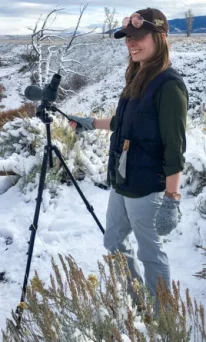
Small group sizes create a quieter and more focused environment, while premium spotting scopes allow guests to observe wildlife in detail from a distance. These elements combine to create a more immersive and educational experience.

Plan Your Yellowstone Wildlife Tour
A Yellowstone National Park wildlife tour offers an opportunity to experience one of the most intact ecosystems in the world. By combining expert guidance, strategic routing, and ecological interpretation, guided tours provide a deeper and more rewarding way to explore the park.
Yellowstone Safari Company offers professionally guided wildlife tours designed to maximize sightings, optimize timing, and provide in-depth interpretation throughout the day.
Whether you are interested in a full-day safari or a multi-day wildlife experience, planning ahead ensures that you can make the most of your time in Yellowstone. Advance reservations are strongly recommended, especially during peak travel seasons.
FAQs
What is a Yellowstone National Park wildlife tour?
A wildlife tour is a guided experience focused on observing animals in natural habitats while learning about behavior, ecology, and seasonal movement patterns.
What animals can you see on a Yellowstone wildlife tour?
Guests commonly see wolves, bears, bison, elk, pronghorn, coyotes, and raptors depending on season and location.
When is the best time for a Yellowstone wildlife tour?
Spring and fall often provide the most active wildlife behavior, while winter offers strong wolf visibility and summer provides high biodiversity.
Are Yellowstone wildlife tours worth it?
Yes. Guided tours increase wildlife viewing success, provide expert interpretation, and simplify navigating a large and complex park.
Should I book a private wildlife tour in Yellowstone?
Private tours allow customized itineraries, flexible pacing, and more focused wildlife viewing, making them ideal for photography and specialized interests.
Wildlife Safari
Keep Exploring