Where the Wild Heart of Yellowstone Beats
In the far northeast corner of Yellowstone National Park, a broad, glacial valley unfolds into miles of open meadow and sagebrush steppe. Known as Lamar Valley, this landscape is often called the “Serengeti of North America”, and for good reason! Here, bison graze across golden fields, pronghorn dash between sage flats, and gray wolves patrol the ridgelines at dawn.
For travelers seeking the best wildlife viewing in Yellowstone, Lamar Valley is unrivaled. With expert naturalist guides and small-group tours from Yellowstone Safari Company, guests can experience this extraordinary ecosystem with insight, comfort, and respect for the wild places that make it thrive.


Why Lamar Valley Is the Wildlife Capital of Yellowstone
A Valley Shaped by Ice and Time
Formed by ancient glaciers, the Lamar River winds through broad meadows surrounded by forested hills and volcanic cliffs. This blend of open space and shelter creates ideal habitat for Yellowstone’s large mammals, especially grazers and predators that rely on visibility and cover in equal measure.
Iconic Wildlife Encounters
Wildlife activity here is constant and captivating.
- Wolves: The reintroduction of gray wolves in 1995 transformed Lamar Valley into the premier destination for wolf observation in North America.
- Bison and Elk: Massive herds roam the valley floor, especially in spring and fall.
- Bears: Both grizzly bears and black bears can be spotted foraging along the river corridors.
- Coyotes, foxes, and birds of prey: Each contributes to the valley’s rich ecological balance.
Whether you’re scanning a distant ridge for movement or watching a bald eagle soar overhead, Lamar Valley offers some of the most intimate wildlife encounters in the park.
An Ecological Success Story
Following decades without top predators, Yellowstone’s ecosystem was out of balance. The return of wolves to Lamar Valley restored natural dynamics between prey and predator. Today, visitors witness one of conservation’s great success stories where science, stewardship, and nature’s resilience come together.

When to Visit & What to Expect
Seasonal Highlights
Each season in Lamar Valley reveals a different rhythm of life:
- Spring (April–June): Calving season for bison and elk; wolves are most active around den sites.
- Summer (July–August): Lush meadows, migrating birds, and abundant wildlife across the valley floor.
- Fall (September–October): Elk bugling echoes through the valley during the rut, while grizzlies prepare for hibernation.
- Winter (November–March): Quiet beauty and snow-covered meadows, ideal for tracking wolves and watching hardy herds navigate the frozen landscape.
A Day on Safari
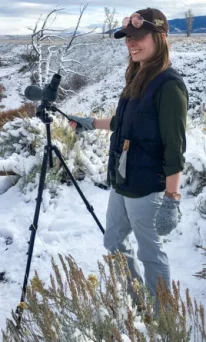
A typical Lamar Valley wildlife safari begins at or before sunrise, when animals are most active. Guests travel in comfortable safari vehicles equipped with spotting scopes and binoculars. With a professional naturalist at the helm, each stop offers context: tracks in the snow, fresh scat along a trail, or a distant howl rolling through the valley.
Pro Tips for Wildlife Viewing
- Arrive early or stay late—dawn and dusk are peak activity hours.
- Dress in layers and use binoculars or a telephoto lens.
- Stay a safe distance from all wildlife; use scopes for close observation.
- Let your guide lead—experience and intuition make all the difference.


Why Choose Yellowstone Safari Company
Guided by Expertise
Our guides are seasoned naturalists with backgrounds in wildlife biology and ecology. Their understanding of animal behavior, seasonal movement, and conservation history adds unmatched depth to your experience.
Small Groups, Big Adventures
Unlike large bus tours, our safaris are limited in size to ensure personalized attention and minimal impact on the landscape. Every stop is intentional, chosen to maximize viewing opportunities while maintaining respect for wildlife.
Premium Comfort & Stewardship
Guests enjoy comfortable transportation, local field snacks, and high-quality optics for safe, responsible wildlife observation. As one of Yellowstone’s original wildlife tour providers, we take pride in our commitment to education, conservation, and connection.

Planning Your Lamar Valley Safari
Choose Your Tour
Choose from our selection of tours depending on your goals and itinerary. For a day tour, a Yellowstone Wildlife Tour takes you into Lamar Valley (or where the current wildlife activity is) to see the summer season habits of the local animals. If you’re hoping for wolves, or just happen to be in the area during the winter months, our Yellowstone Winter Wildlife Safari also explores Lamar Valley on a completely different stage. If you have the time and are in search of a more comprehensive and immersive experience, our multi-day tours spend more time in the field during prime wildlife watching hours and slow the pace down.
What to Bring
Pack for variable mountain weather:
- Warm layers, waterproof jacket, hat, gloves
- Sturdy shoes or boots
- Sunglasses, sunscreen, insect repellent (summer)
- Camera or binoculars
- Refillable water bottle
Booking & Availability
Lamar Valley safaris operate seasonally and fill quickly, especially during peak wolf activity in spring and fall. Advance reservations are recommended.


FAQs
What wildlife can I see in Lamar Valley?
In Lamar Valley you can often see bison, elk, pronghorn, grizzly bears, black bears, coyotes, and even gray wolves, the valley’s most famous residents. Dawn and dusk offer the best viewing conditions.
When is the best time to visit Lamar Valley?
Each season offers unique highlights, but early summer and late fall are ideal for diverse sightings and fewer crowds. Winter provides exceptional wolf-watching opportunities.
Can you guarantee a wolf sighting?
No wildlife sighting can ever be guaranteed, but experienced guides dramatically improve your chances through real-time tracking, knowledge of pack territories, and the use of professional spotting equipment.
What should I bring on a Lamar Valley tour?
Dress for changing temperatures, wear sturdy shoes, bring a camera if you have one, and whatever personal items you prefer. Your guide will supply lunch, snacks, water, binoculars, and spotting scopes for optimal viewing.
How do I book a Lamar Valley wildlife safari?
Visit our booking page to select your preferred tour date. You’ll receive a detailed confirmation including meeting points, gear list, and trip logistics.
Wildlife Safari
Keep Exploring