For visitors hoping to see wild wolves in Yellowstone National Park, few places on earth compare to Lamar Valley. Often called the Serengeti of North America, this sweeping northern valley offers unmatched visibility, thriving wolf populations, and one of the most complete predator-prey ecosystems remaining in the world. For travelers seeking meaningful wildlife encounters, Lamar Valley represents the gold standard for wolf watching.


Why Lamar Valley Is the Best Place to See Wolves
Lamar Valley’s broad, open terrain allows for long sightlines across sagebrush flats, rolling hills, and river corridors. Unlike forested areas of Yellowstone, wolves here are often visible traveling, hunting, or interacting with their pack during daylight hours. The valley’s healthy populations of elk and bison support stable wolf packs, making sightings far more consistent than in other regions of the park.
Equally important, Lamar Valley has been the focal point of Yellowstone’s wolf research since reintroduction, meaning pack movements and territories are better understood here than anywhere else in the park.

Wolf Packs Commonly Seen in Lamar Valley
Yellowstone is home to multiple wolf packs whose territories overlap Lamar Valley and its surrounding drainages. While pack names and compositions evolve over time, visitors regularly observe wolves moving along valley floors, crossing ridgelines, or engaging in cooperative hunting behavior.
Because wolves are highly mobile and their social structures can change seasonally, sightings depend less on memorizing pack names and more on understanding habitat use, weather conditions, and daily movement patterns.


Best Time of Year to See Wolves in Lamar Valley
Winter Wolf Watching (November–March)
Winter is widely considered the prime season for wolf watching in Lamar Valley. Snow enhances visibility by highlighting dark-coated wolves against a white landscape, while prey animals concentrate at lower elevations. Wolves are also more active during daylight hours in colder months, increasing viewing opportunities.
Spring and Summer Wolf Behavior
Spring and summer offer a different perspective. Wolves focus on denning and pup rearing, often remaining farther from roads. While sightings are still common, distances are typically greater and viewing requires advanced optics and experienced guides who understand subtle behavioral cues.

Why Guided Wolf Tours Dramatically Improve Sightings
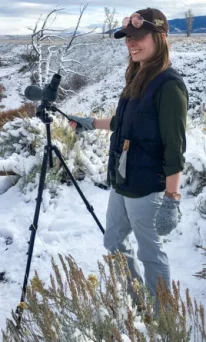
Seeing wolves consistently in Yellowstone is rarely a matter of luck. Professional wolf watching tours combine expert naturalists, high-powered spotting scopes, and real-time knowledge of animal movements to dramatically improve success rates.
Guides interpret behavior, explain pack dynamics, and ensure ethical viewing distances, transforming a simple sighting into a deeper understanding of Yellowstone’s ecology. For many guests, guided wolf safaris provide their first meaningful glimpse into predator-prey relationships in action.


Ethics and Conservation in Wolf Watching
Responsible wildlife viewing is essential to the long-term success of Yellowstone’s wolves. Ethical tours prioritize distance, minimize disturbance, and comply fully with National Park Service regulations. Observing wolves behaving naturally, without pressure from human presence, supports conservation while delivering more authentic experiences for guests.

Plan Your Lamar Valley Wolf Safari
Whether visiting during the dramatic stillness of winter or the dynamic seasons of spring and fall, Lamar Valley offers unmatched opportunities to observe wolves in the wild. Choosing a guided safari ensures not only better sightings, but a richer understanding of Yellowstone’s most iconic predators.
Whether you have just one day or several to spend adventuring in the park searching for wolves, Yellowstone Safari has a tour that will fit into your itinerary. Yellowstone Wildlife Safaris and Winter Wildlife Safaris can take you into prime wolf habitat to explore for one day, while our 2-day and 3-day Bear and Wolf Safaris take you on a more immersive, slower-paced excursion where you will have extended time during peak wildlife hours to seek encounters.
FAQs
Why is Lamar Valley the best place to see wolves?
Lamar Valley offers open terrain, abundant prey, and well-established wolf packs, making it the most reliable area in Yellowstone for wolf sightings.
What time of year is best for wolf watching in Yellowstone?
Winter is generally the best time to see wolves due to snow cover, increased daylight activity, and improved visibility across open landscapes.
Can you see wolves in Yellowstone without a guide?
Yes, but guided tours significantly improve your chances by providing expert tracking knowledge and high-powered spotting scopes.
How far away are wolves usually when spotted?
Most wolf sightings occur at distances ranging from several hundred yards to over a mile, which is why professional optics are essential.
Are wolf watching tours ethical?
Reputable tours follow strict wildlife viewing guidelines that prioritize animal welfare, park regulations, and conservation ethics.
Wildlife Safari
Keep Exploring