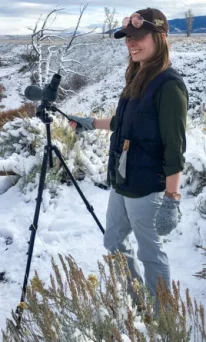
The best place to see wolves in Yellowstone is along the Northern Range, particularly in and around Lamar Valley. Wolves are most visible in open terrain where prey species such as elk and bison concentrate. Guided wolf watching tours significantly increase the likelihood of observing wolf packs due to expert tracking, real time communication, and premium spotting equipment.
Within Yellowstone National Park, wolves roam across vast territories, but certain regions consistently provide better viewing conditions.


Best Places to See Wolves in Yellowstone
Lamar Valley
Lamar Valley is widely considered the best place to see wolves in Yellowstone. The open landscape allows long distance visibility, and several established wolf packs frequently utilize this region. Early morning activity often reveals pack movement, hunting behavior, or social interaction.
Northern Range
The Northern Range extends from Tower Junction to the northeast entrance. This corridor supports high densities of elk, which are primary prey for wolves. Winter months often concentrate both prey and predators, increasing viewing opportunities.
Hayden Valley
Hayden Valley occasionally produces wolf sightings, especially when packs follow migrating prey. While less consistent than Lamar Valley, it remains a productive wildlife corridor.

Best Time of Year to See Wolves in Yellowstone
Wolf activity shifts with seasonal prey patterns and weather conditions.
- Winter
- Wolves are often easier to spot against snow covered terrain
- Elk herds concentrate at lower elevations
- Spring
- Increased hunting activity as pups are born
- Transition between winter and summer ranges
- Summer
- Wolves may travel longer distances
- Viewing can be more challenging due to vegetation
- Fall
- Elk rut increases wildlife activity
- Cooler temperatures support daytime movement
Winter is often considered the most reliable season for wolf visibility, though sightings occur year round.


Best Time of Day for Wolf Watching
- Early morning shortly after sunrise
- Late afternoon before sunset
- During cooler temperatures when prey is active
Wolves are crepuscular predators, meaning they are most active during low light periods.

Why Wolves Are Most Visible in Certain Areas
Wolves follow prey availability. Regions with high elk density often support higher wolf activity. Open terrain improves visibility, allowing observers to scan large areas with spotting scopes. Territorial boundaries also influence pack movement. Understanding pack territories and seasonal behavior is critical to increasing sighting probability.


How to Increase Your Chances of Seeing Wolves
- Depart before sunrise.
- Travel during winter or early spring.
- Bring high quality binoculars or spotting scopes.
- Remain patient and scan ridgelines carefully.
- Consider booking a guided wolf watching tour.
Independent sightings are possible, but professional guides track real time wildlife movement and communicate with other observers to locate active packs.

Why Choose a Guided Wolf Tour
Naturalist led wolf tours provide ecological context that goes beyond sightings. Guides interpret pack hierarchy, hunting strategy, and the history of wolf reintroduction in Yellowstone.
Small group sizes ensure quiet observation and premium optics allow safe viewing at legal distances. If you only have a day to dedicate to wolf watching, a Yellowstone Wildlife Safari takes you into the heart of wolf country. For a more in-depth, immersive adventure with more opportunities, a multi-day tour spanning either 2-days or 3-days with a guide in the park can give you the ultimate wolf experience. A guided Yellowstone wolf tour transforms a rare sighting into a deeper understanding of predator ecology.
FAQs
Where is the best place to see wolves in Yellowstone?
Lamar Valley along the Northern Range is widely considered the best place to see wolves in Yellowstone due to open terrain and consistent prey concentrations.
What time of year is best for wolf watching in Yellowstone?
Winter often provides the highest visibility because wolves stand out against snow and elk herds are concentrated at lower elevations.
What time of day are wolves most active?
Wolves are most active during early morning and late afternoon when prey species are moving and temperatures are cooler.
Are wolf sightings guaranteed in Yellowstone?
No wildlife sighting is guaranteed, but guided wolf tours significantly increase the probability due to expert tracking and real time location awareness.
Do I need a guide to see wolves in Yellowstone?
While independent sightings are possible, a professional naturalist guide increases success rates and provides valuable ecological interpretation.
Wildlife Safari
Keep Exploring