A Yellowstone National Park wildlife tour offers an immersive way to experience one of the last intact temperate ecosystems on Earth. While many visitors explore the park from scenic pullouts and boardwalks, guided wildlife tours go deeper, focusing on the animals that define Yellowstone’s wild character. From roaming bison herds to elusive wolf packs and seasonally active bears, wildlife tours prioritize observation, understanding, and respect for the natural rhythms of the park. For travelers seeking more than a checklist of sights, a wildlife tour reveals Yellowstone as a living, interconnected landscape shaped by predators, prey, climate, and time.


What Is a Yellowstone National Park Wildlife Tour?
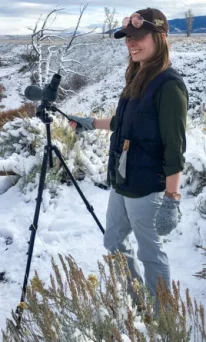
A Yellowstone National Park wildlife tour is a professionally guided experience designed to locate, observe, and interpret wildlife in its natural habitat. Rather than following a fixed sightseeing itinerary, these tours adapt to real-time conditions such as weather, animal movement, and seasonal behavior. Guides use advanced optics to scan vast valleys and forest edges, often spotting animals at distances that most visitors would otherwise miss. Just as important, wildlife tours emphasize education, helping guests understand not only what they are seeing, but why animals are there, how they survive, and how they shape the broader Yellowstone ecosystem.

Why Choose a Guided Wildlife Tour in Yellowstone?
Expert Naturalist Guides
Experienced naturalist guides are the foundation of a successful Yellowstone wildlife tour. These professionals understand animal behavior, migration patterns, and habitat preferences, allowing them to anticipate where wildlife is most likely to appear at different times of day and year. Their knowledge turns each sighting into a deeper learning experience, connecting individual animals to larger ecological stories involving predator-prey relationships, seasonal adaptations, and conservation history.
Professional Spotting Scopes and Optics
Wildlife in Yellowstone is best observed from a respectful distance, both for safety and ethical reasons. High-powered spotting scopes and binoculars allow guests to view animals clearly without interfering with natural behavior. Through professional optics, details such as a wolf’s social interactions or a bear’s foraging habits become visible, transforming distant silhouettes into meaningful encounters.
Wildlife Behavior and Seasonal Insight
Yellowstone’s wildlife does not follow a predictable schedule, and conditions can change rapidly. Guided tours account for these variables, adjusting routes and timing to match animal activity. Whether tracking wolves along open valleys in winter or observing bears emerging in spring, guides apply seasonal knowledge to maximize viewing opportunities while maintaining responsible viewing practices.


Wildlife You Can See on a Yellowstone National Park Wildlife Tour
Yellowstone supports one of the most diverse collections of large mammals in North America, and wildlife tours are designed to showcase this diversity responsibly. Guests commonly observe bison grazing across open plains, elk moving through river corridors, and pronghorn navigating sagebrush flats. With patience and favorable conditions, tours may also reveal apex predators such as wolves traveling in packs or bears foraging for food. Birdlife adds another layer to the experience, with sightings of bald eagles, trumpeter swans, and other raptors highlighting the park’s ecological complexity. Each tour is unique, shaped by timing, weather, and wildlife behavior rather than a guaranteed species list.

Best Time of Year for Yellowstone Wildlife Tours
Winter Wildlife Tours
Winter transforms Yellowstone into a quieter, more visually striking landscape where wildlife activity is often easier to observe. Snow concentrates animals at lower elevations and highlights movement across open terrain, making winter one of the best seasons for spotting wolves and bison. Fewer visitors and dramatic conditions create an intimate experience that emphasizes survival, adaptation, and resilience.
Spring and Summer Wildlife Tours
Spring brings renewal as animals emerge from winter patterns and newborn wildlife appears across the park. Predator activity often increases during this season, offering dynamic viewing opportunities. Summer provides longer daylight hours and access to higher elevations, revealing a wide range of species across Yellowstone’s diverse habitats. While vegetation can make spotting animals more challenging, expert guides know how to read landscapes for subtle signs of activity. For a more immersive and extended experience, our multi-day tours are ideal for maximizing your time viewing wildlife.
Fall is marked by heightened animal movement as species prepare for winter. Elk behavior becomes especially visible during the rut, while other animals shift toward winter ranges. Cooler temperatures and reduced crowds make fall an appealing time for wildlife-focused exploration, blending scenic beauty with ecological significance.


What Makes Yellowstone Safari Company Wildlife Tours Different
Yellowstone Safari Company wildlife tours are built around quality, integrity, and education. Small group sizes allow for a more personalized experience, giving guests ample time to observe wildlife and engage with guides. Premium vehicles are designed for comfort and visibility in all seasons, while itineraries remain flexible to respond to changing wildlife conditions. Above all, tours emphasize ethical wildlife viewing, ensuring that animals are observed in ways that protect their natural behavior and preserve the park for future generations.

Planning Your Yellowstone National Park Wildlife Tour
Planning a wildlife tour begins with considering the season, your interests, and the type of experience you prefer. Half-day tours offer a focused introduction, while full-day tours allow for deeper exploration across multiple habitats. Private tours provide additional flexibility and customization for families, photographers, or travelers with specific goals. Because wildlife activity and tour availability vary by season, booking in advance is recommended to secure preferred dates and maximize the quality of your experience.
FAQs
What is a Yellowstone National Park wildlife tour?
A Yellowstone National Park wildlife tour is a guided experience focused on observing and learning about wildlife using expert guides and professional optics.
Is a guided wildlife tour worth it in Yellowstone?
Yes. Guided tours greatly increase wildlife sightings and provide expert interpretation that enhances the overall experience.
What animals can you see on a Yellowstone wildlife tour?
Common sightings include bison, elk, wolves, bears, moose, pronghorn, and a variety of birds.
What is the best time for a Yellowstone National Park wildlife tour?
Winter and early spring are often best for visibility, while summer and fall offer diverse wildlife and longer daylight hours.
How do wildlife tours protect animals in Yellowstone National Park?
Ethical Yellowstone wildlife tours follow National Park Service regulations, maintain safe viewing distances, and prioritize animal welfare. Professional guides are trained to observe wildlife without altering natural behavior, ensuring responsible tourism and long-term conservation.
Wildlife Safari
Keep Exploring