Yellowstone wildlife is among the most diverse and visible in North America, offering rare opportunities to observe large mammals and predators in their natural habitats. Within Yellowstone National Park, animals move freely across vast landscapes shaped by seasonal changes, predator-prey relationships, and environmental conditions.
From wolves and bears to bison and raptors, Yellowstone supports a complex ecosystem that continues to function much as it has for thousands of years. For visitors, this creates an experience that goes beyond sightseeing and becomes an opportunity to witness wildlife behavior in real time.


What Wildlife Lives in Yellowstone
Yellowstone is home to a wide range of species that occupy different habitats and elevations.
Wolves
Wolves are one of the most iconic species in Yellowstone and play a critical role in maintaining ecological balance.
- Live in organized packs
- Hunt primarily elk and other ungulates
- Most active in early morning and late evening
Bears
Both grizzly and black bears inhabit Yellowstone, each with distinct behaviors and habitat preferences
- Grizzly bears often forage in open areas
- Black bears prefer forested terrain
- Activity increases during spring and fall feeding periods
Bison and Elk
These large herbivores are among the most commonly seen animals in Yellowstone.
- Bison roam open valleys year-round
- Elk migrate seasonally and gather in large groups
- Fall rut creates dynamic behavior
Coyotes and Foxes
Smaller predators are frequently seen hunting in open terrain.
- Coyotes hunt rodents and small mammals
- Foxes are more elusive but present across the park
- Often active during daylight hours
Raptors and Birdlife
Birdlife adds another dimension to Yellowstone wildlife.
- Bald eagles near rivers and lakes
- Golden eagles in open landscapes
- Hawks and owls in varied habitats

Where to See Yellowstone Wildlife
Certain areas consistently provide better wildlife viewing opportunities due to habitat and visibility.
Lamar Valley
Lamar Valley is widely regarded as one of the best places to see wildlife in Yellowstone. Its open terrain allows for long-distance viewing and frequent predator activity.
Hayden Valley
Hayden Valley supports large populations of bison and elk, along with occasional predator sightings.
Northern Range
The Northern Range offers year-round wildlife activity due to available forage and accessibility.
River Corridors
Rivers such as the Lamar and Yellowstone Rivers attract wildlife, especially during early morning hours.


Best Time to See Yellowstone Wildlife
Wildlife activity changes throughout the year.
- Spring
- Bears emerge from dens
- Newborn animals appear
- Predators become more active
- Summer
- Wildlife spreads across the park
- High biodiversity
- Longer viewing hours
- Fall
- Elk rut increases activity
- Predators hunt more frequently
- Cooler temperatures improve movement
- Winter
- Wildlife concentrates in lower elevations
- Wolves are easier to spot
- Snow improves visibility

How to Safely View Wildlife
- Maintain safe distances from all animals.
- Never approach or feed wildlife.
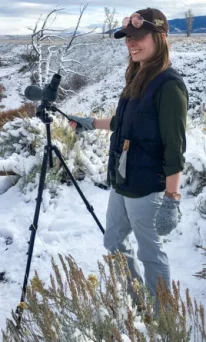
- Use binoculars or spotting scopes for close views.
- Stay inside your vehicle when necessary.
- Follow all park regulations and guidelines.
Safe viewing protects both visitors and wildlife.


Why Choose a Guided Wildlife Tour
Guided wildlife tours provide expertise that significantly improves the experience. Naturalist guides track animal movement, interpret behavior, and adjust routes based on conditions.
They also provide high-quality optics, allowing guests to observe wildlife in detail without disturbing natural behavior. This combination of knowledge and equipment increases both the quality and success of wildlife viewing.
Choose between a Yellowstone Wildlife Safari to focus on animal sightings, or a Best of Yellowstone tour to cover the geological highlights of the park while observing the wildlife that you encounter along the way.

Plan Your Yellowstone Wildlife Experience
Exploring Yellowstone wildlife on your own can be rewarding, but guided tours offer a more structured and efficient experience. By combining expert knowledge with strategic routing, tours maximize both sightings and understanding.
Yellowstone Safari Company offers professionally guided wildlife tours designed to provide meaningful encounters and in-depth interpretation.
Whether you are interested in wolves, bears, or general wildlife viewing, planning ahead ensures the best possible experience.
FAQs
What wildlife can you see in Yellowstone?
Visitors can see wolves, bears, bison, elk, coyotes, foxes, and a variety of birds including eagles and hawks.
Where is the best place to see wildlife in Yellowstone?
Lamar Valley and Hayden Valley are among the best locations for wildlife viewing due to open terrain and high animal activity.
When is the best time to see Yellowstone wildlife?
Spring and fall often provide the most active wildlife behavior, while winter offers excellent wolf visibility.
Is Yellowstone good for wildlife viewing?
Yes. Yellowstone is one of the best places in North America to observe wildlife in natural habitats.
Are guided wildlife tours worth it in Yellowstone?
Yes. Guided tours improve efficiency, increase sightings, and provide expert interpretation of animal behavior and ecosystems.
Wildlife Safari
Keep Exploring